It’s time to talk about weight and health differently

Every Conversation
Is a Step Forward

Obesity is not just about weight. It’s a complex disease linked to genetics, environment, and modern living.1

Understanding weight and discussing it, is the first step toward better health.
You’re Not Alone

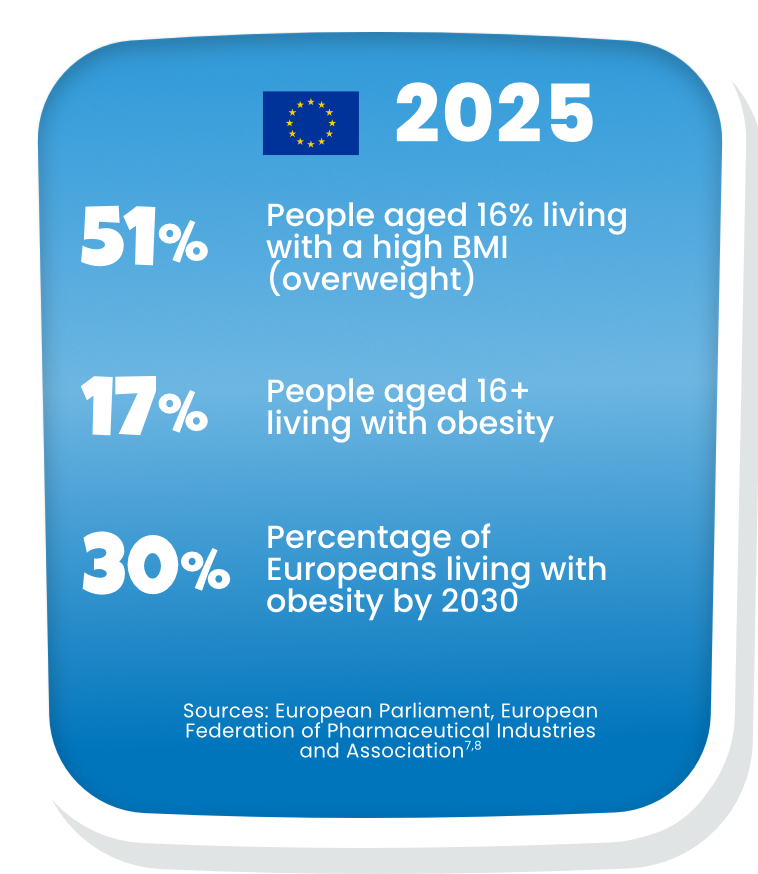
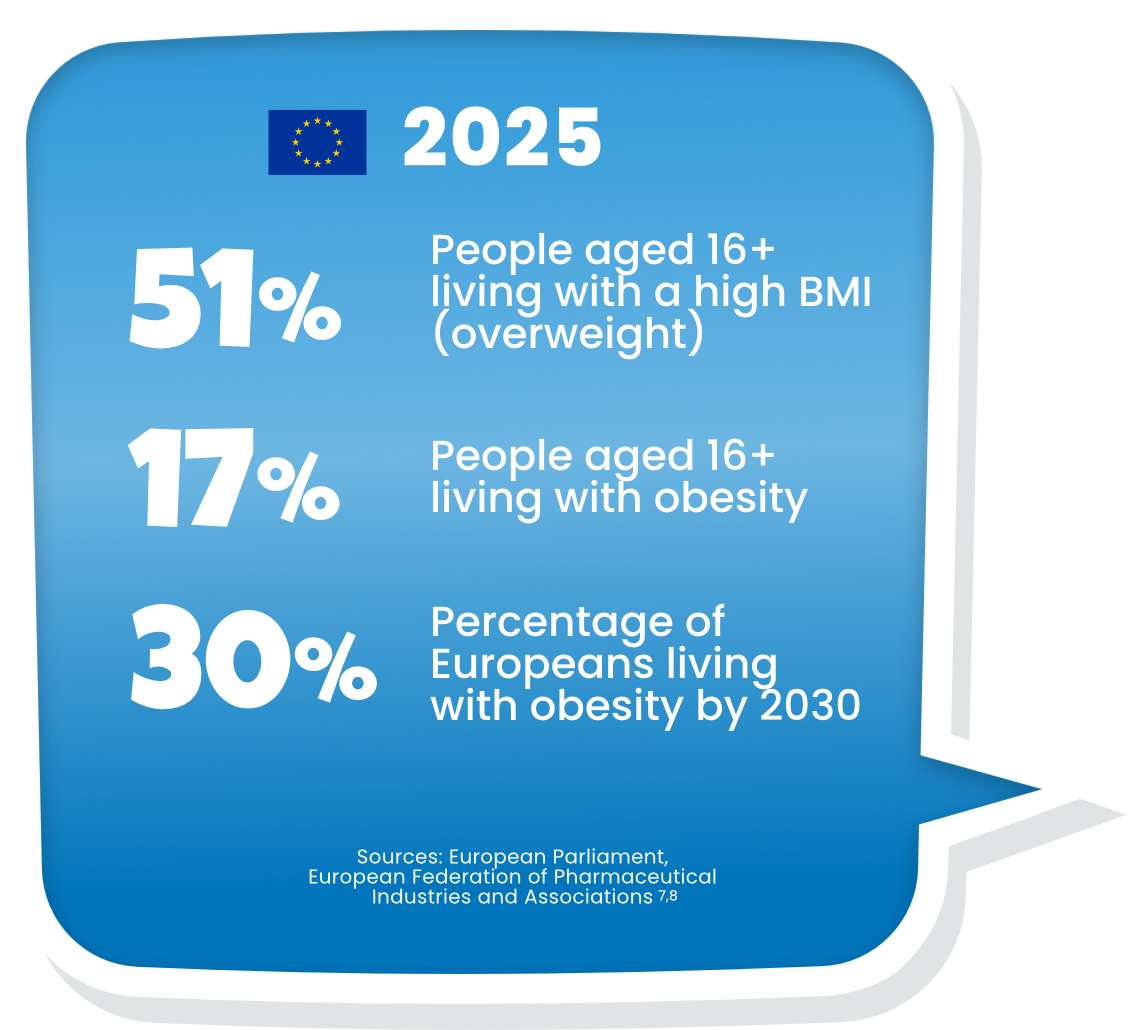
Infographic chart showing obesity prevalence data and statistics in the EU Obesity data statistics in the EU mobile-optimized infographic

Living with obesity and excess weight is an increasingly important health concern in the European Union.2

Excess weight can contribute to heart disease, diabetes, and other serious health conditions.1

The good news is it’s treatable with the right support and plan.

Graphic illustration of people silhouettes representing population weight diversity

Do you know your BMI?

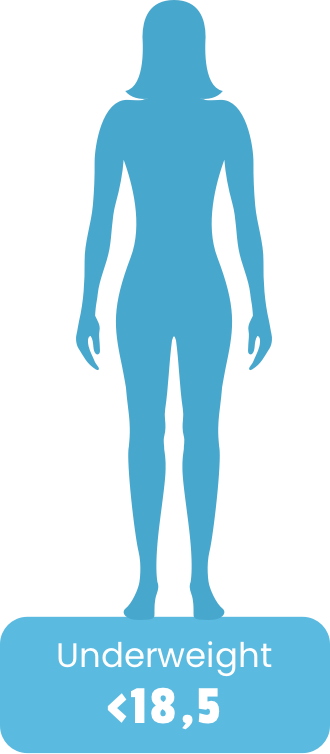
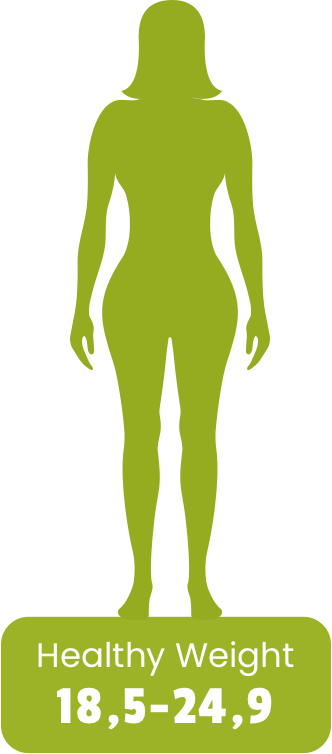
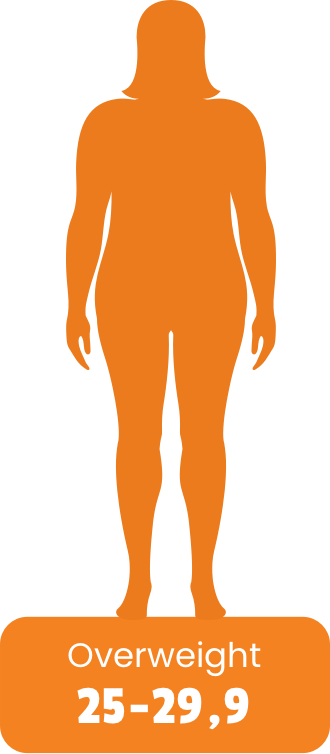
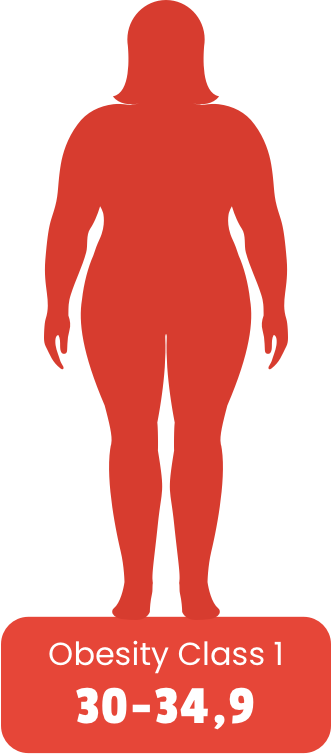
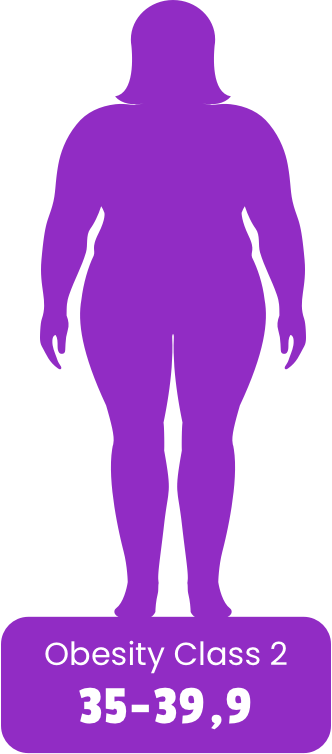
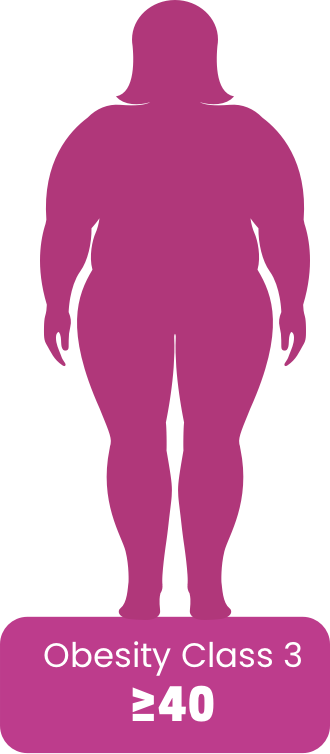
Body mass index (BMI) can be a helpful starting point for understanding your weight. It’s a screening tool based on height and weight that helps healthcare professionals evaluate weight categories.3

Body silhouette representing Underweight category with BMI less than 18.5 Body silhouette representing Healthy Weight category with BMI between 18.5 and 24.9 Body silhouette representing Overweight category with BMI between 25 and 29.9 Body silhouette representing Obesity Class 1 category with BMI between 30 and 34.9 Body silhouette representing Obesity Class 2 category with BMI between 35 and 39.9 Body silhouette representing Obesity Class 3 category with BMI of 40 or higher
   

Source: EASO (The European Association for the Study of Obesity)3. BMI is measured in kg/m2.

Enter your height and weight to calculate your BMI

It’s Not Just About
Willpower

It's not by choice — human biology might be working against you and contributing to the accumulation of weight.4

BMI scale gauge for weight category estimation
  • The human body is programmed to store fuel in anticipation of periods of food scarcity.
  • Although food scarcity is now rare, our biology continues to store and conserve fuel as fat just as it has done for 200,000 years.

Obesity is influenced by biology, genetics, and environment.

Factors like metabolism, stress, sleep, and modern lifestyles make maintaining a healthy weight more difficult.1,5

Icon representing genetic factors and DNA in obesity causes

Genetics: Inherited factors can affect hunger, metabolism, and fat storage.

Icon representing hormonal imbalances as a cause of obesity

Hormones: Signals like leptin and insulin influence appetite and energy balance.

Icon representing stress and mental health impact on weight gain

Sleep & Stress: Chronic stress and poor sleep can alter hunger cues and choices.

Icon representing environmental factors and lifestyle impact on obesity

Environment: Modern living can make healthy choices harder to access.

Speech bubble icon illustrating doctor-patient weight management conversation

A Whole-Body Approach

It all starts with a conversation. Your doctor can help you consider all your options to create a personalised obesity care plan.6

Speech bubble icon illustrating doctor-patient weight management conversation

Effective management should combine strategies

Healthy Eating
Obesity solution icon for healthy eating and balanced nutrition

Healthy eating means balance, not restriction.

Focus on nutritious foods you enjoy and small, realistic changes you can maintain long term. Personalized support from a dietitian can make healthy choices easier every day.

Activity & Exercise
Lasting Habits
Medical Options

Start the Conversation

Your healthcare provider can help

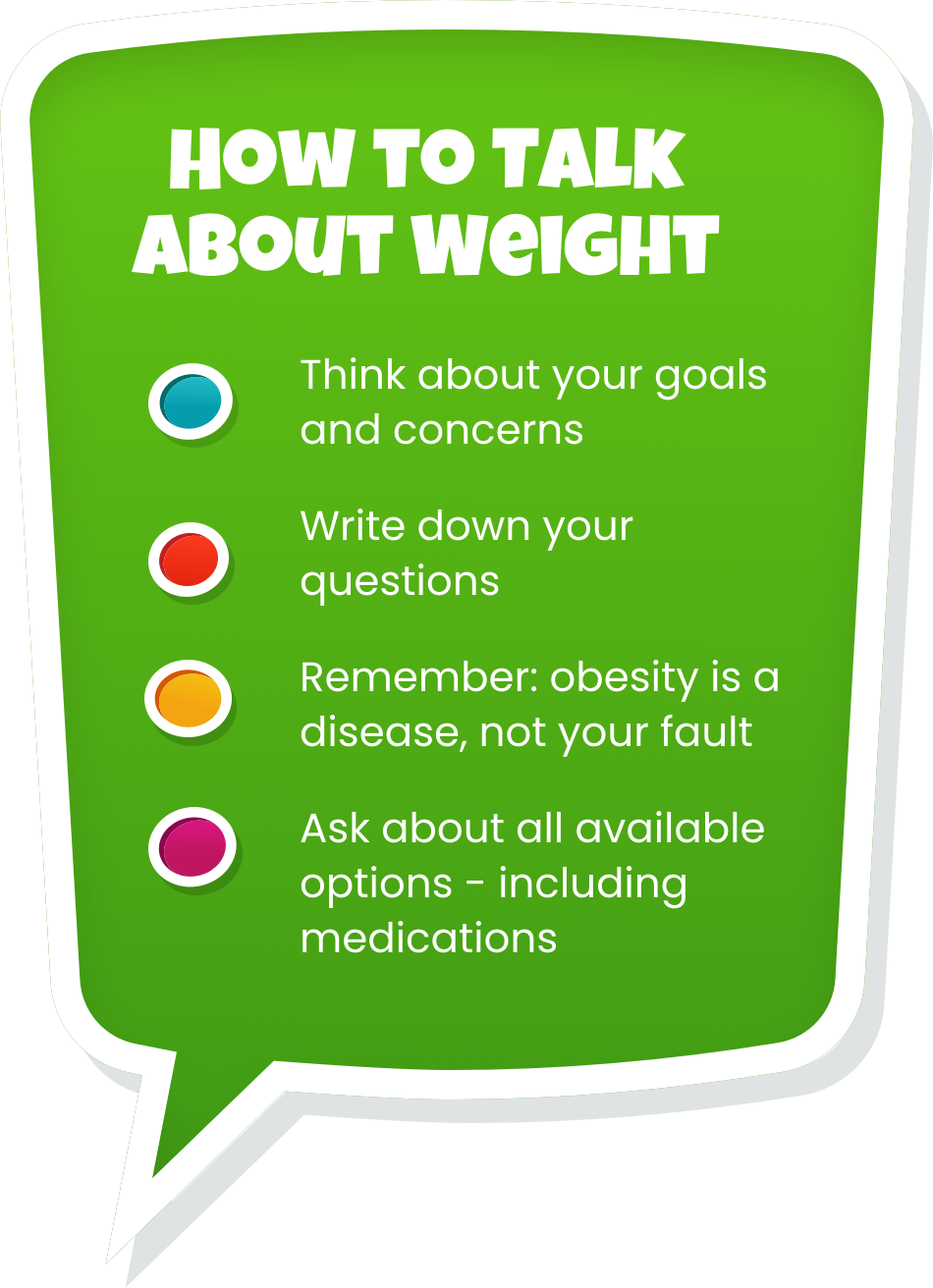
Preparing a few questions can make it easier to discuss your concerns, personal goals, and treatment options.

  • Your Goals: What matters most to you — energy, mobility, a target weight?
  • Your Story: Share your experiences with weight, sleep, stress, and routines.
Checklist for preparing a weight management discussion with a doctor
Background silhouettes for mobile view Human silhouettes background pattern
Speech bubble with envelope icon for free 'talk to your doctor' guide download

Let’s Keep Talking

Get a free discussion guide to share with your doctor

Change begins with understanding. Sign up and take the next step toward a healthier future. Get a free discussion guide to help talk openly with your doctor about obesity.

REFERENCES:

1. World Health Organization, Obesity and overweight (n.d.). Retrieved from https://www.who.int/newsroom/fact-sheets/detail/obesity-and-overweight

2. World Obesity Federation, World Obesity Atlas 2025 (n.d.). Retrieved from https://www.worldobesity.org/resources/resource-library/world-obesity-atlas-2025

3. EASO (The European Association for the Study of Obesity) (n.d.). Retrieved from https://easo.org/education/about-obesity/

4. Oʼrourke RW. Metabolic thrift and the genetic basis of human obesity. Ann Surg. 2014 Apr;259(4):642#8209;8.

5. Ahmed SK, Mohammed RA. Obesity: Prevalence, causes, consequences, management, preventive strategies and future research directions. Metabol Open. 2025 Jun 14;27:100375.

6. Overweight and Obesity Treatment (n.d.). Retrieved from https://www.nhlbi.nih.gov/health/overweight-and-obesity/treatment

7. European Parliament (n.d.). Obesity in the EU: An Ongoing Epidemic. Retrieved Feb 13, 2025, from https://www.europarl.europa.eu/RegData/etudes/ATAG/2025/769510/EPRS_ATA(2025)769510_EN.pdf

8. European Federation of Pharmaceutical Industries and Associations (25.09.2025). A Blueprint for Action to address Obesity in the European Union. Retrieved Feb 13, 2025, from https://www.efpia.eu/ media/lubdy3n4/a-blueprint-for-action-to-address-obesity-in-the-european-union.pdf